2026-10-15 · John Landry
Preparing Your Roof for Tropical Storm Season in Beaumont
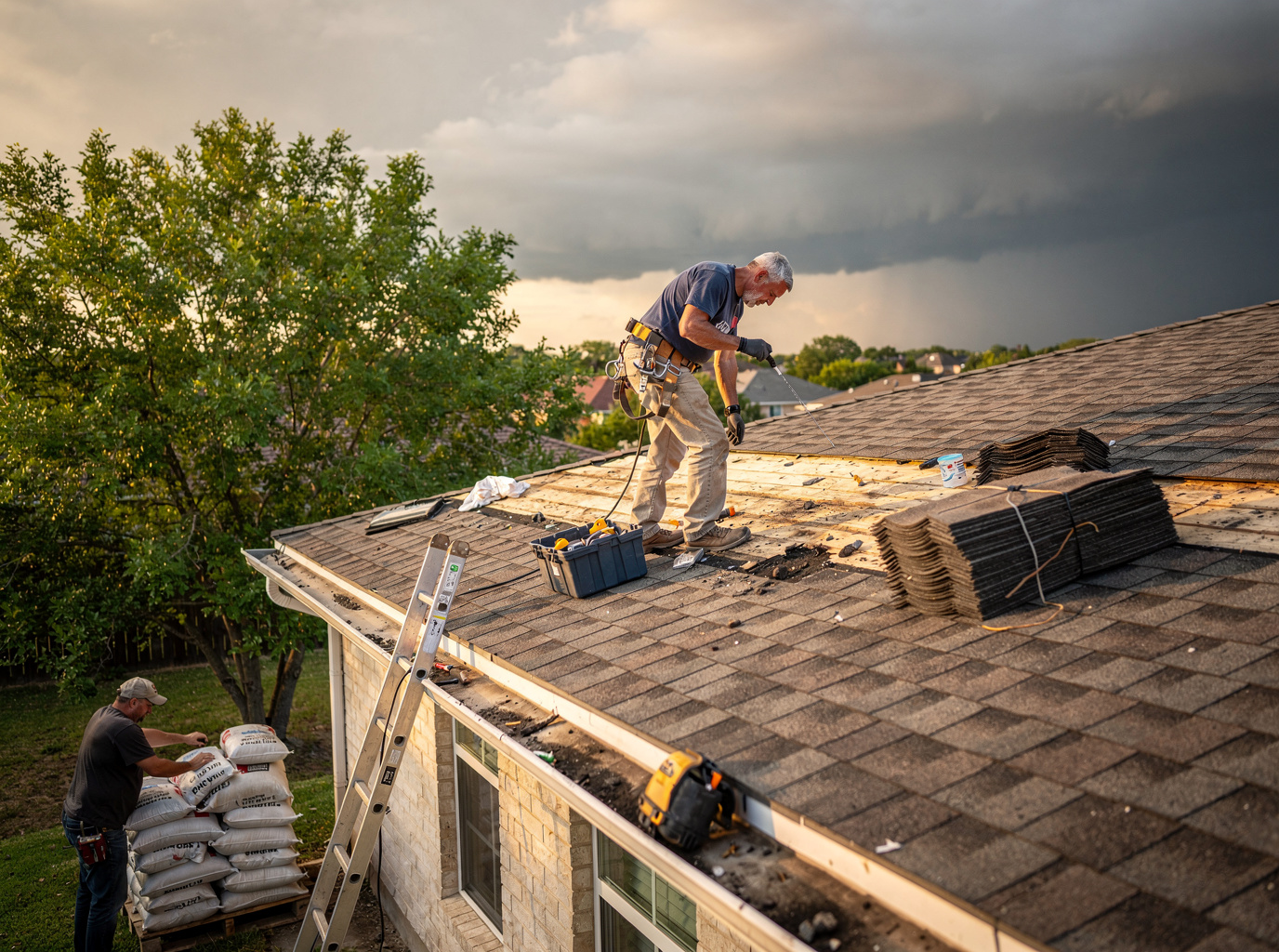
Beaumont roofs face repeated tropical storm threats from the hot humid subtropical climate, so start by walking the attic and exterior to spot loose shingles, damaged flashing, or soft spots that storms will exploit first. Homes in Jefferson County neighborhoods like Calder Highlands and the West End often have older stock with 15- to 25-year-old shingles that lose granules faster under repeated thunderstorm cycles, raising leak risk at valleys and pipe boots. Checking these points early lets you address small issues before wind-driven rain turns them into interior damage.
Inspecting for Storm Vulnerabilities
Walk the roof perimeter after any recent thunderstorm to look for lifted shingles or exposed felt, paying extra attention in South Park where mature trees drop limbs during high winds. Check flashing around chimneys and skylights because the subtropical humidity accelerates sealant breakdown, allowing water intrusion during the next system moving in from the Gulf. In older Downtown Beaumont and Old Town homes, sagging decking near plumbing stacks signals prior moisture that needs attention before hurricane season ramps up. Document every finding with photos so you can prioritize repairs based on exposure rather than guessing. This process mirrors the approach outlined in step-by-step attic inspection guidance tailored to Beaumont conditions.
Addressing Flashing and Penetration Points
Examine all pipe boots and valley flashing because these are the first points to fail when 50-plus mph winds drive rain sideways across Beaumont roofs. Replace cracked rubber boots on plumbing stacks before the season arrives, as the combination of heat, humidity, and UV exposure in Jefferson County shortens their effective life to roughly 8-12 years. Metal roof sections common in the West End require extra scrutiny at seams where thermal expansion from summer heat creates gaps that storms then exploit. Secure any loose step flashing on chimneys with additional fasteners rated for high-wind zones rather than relying on old sealant alone. These targeted fixes reduce the chance of interior water damage during the frequent thunderstorms that precede named storms.
Using Roof Tarping as Temporary Protection
When a roof shows widespread granule loss or multiple damaged areas, temporary roof tarping provides immediate protection until permanent repairs can be scheduled around business hours of Mon–Fri 8am–6pm and Sat 9am–2pm. Secure 6-mil reinforced tarps with furring strips and screws into rafters rather than relying on ballasts that high winds can dislodge, a method proven effective in nearby Port Arthur and Orange during past events. This approach buys time for homeowners in Lumberton or South Park whose roofs sustained prior storm damage without creating new leak paths. Tarping also protects the structure while waiting for drier weather typical after the initial tropical wave passes.
Planning Post-Storm Follow-Up
After the season, schedule a full roof assessment focused on storm damage repair needs, especially in Calder Highlands where wind patterns funnel through open lots and accelerate shingle wear. Compare pre-season photos against any new damage to isolate what the latest system caused versus ongoing subtropical weathering. Homes near Lamar University or the Beaumont Botanical Gardens often see increased debris from nearby trees, so clearing valleys and gutters remains part of routine preparation. Linking this to common causes of roof leaks in southeast Texas homes helps owners understand how repeated exposure compounds small issues into major repairs.